Shaving tools track human priorities with surprising fidelity. They trace arcs of safety, speed, ritual, and design obsession. A Bronze Age blade, a barber’s straight razor, a midcentury safety razor, a bright-anodized Henson, each tells a story about how people balance convenience with control while dragging steel over skin. I have shaved with nearly all of them, from a family-heirloom straight to a travel-friendly disposable, and the lessons learned tend to show up on your face the same morning.
The straight edge and the bargain we struck with sharpness
The straight razor predates the safety guard, and it still delivers the closest, most customizable shave when used well. A good straight razor pairs hardened steel with a wedge-like grind that, when honed to a keen edge and stropped correctly, glides through hair with almost no pressure. Many first-time users expect quick mastery, then learn humility during the first awkward pass along the jawline. Technique matters: keep the spine roughly two spine-widths off the skin, use short strokes, stay aware of grain direction, and keep your non-shaving hand tautening the skin. The payoff is real. A straight razor excels around tight contours, lets you sculpt sideburns precisely, and gives feedback that cartridges tend to dampen.
Maintenance is the tax you pay. A straight needs periodic honing, stropping before each shave, and dry storage to prevent rust. For barbers, the Shavette became a sanitary stand-in. It takes half of a double edge razor blade snapped in the wrapper, so there is no need to hone. It feels slightly harsher because each new blade has its own grind and coating, but for a shop that needs fast blade changes between clients, it solved a problem that strops and stones could not.
The straight edge also taught a lesson that modern razors sometimes obscure: the blade is only half the system. The rest lives in your hand and your prep. Hot water, a properly loaded shaving brush, and a slick, cushioning shaving soap can be the difference between a clean first pass and a field of irritation.
When safety met steel
By the late 19th and early 20th century, the safety razor democratized a close shave. Add a guard to control blade exposure, standardize thin razor blades, and suddenly you could get near-barber results at home without a steady barber’s hand. Double edge razor designs flourished. Some were mild for daily shavers, others aggressive for heavy beards. The basic physics did not change: a single blade, an uncluttered cutting path, and lather that keeps hair standing up rather than matted down.
The double edge class matured into icons. Ask a room of wet shavers about their first “serious” Razor, and you will hear the Merkur 34C as often as not. The 34C is compact, two-piece, medium weight, and just assertive enough to be efficient without punishing mistakes. It pairs well with a wide range of double edge razor blades, which vary a surprising amount. Some are very sharp and require a careful hand, others emphasize smoothness. I use the 34C as a benchmark. If a blade feels harsh in it, that blade is likely too much for me in anything.
This phase of shaving introduced repeatable geometry. A good safety razor sets cap and guard surfaces so the blade sits with a predictable angle and exposure. That control matters more than marketing. If your razor’s geometry is consistent, you can learn it, and your technique improves quickly.
Cartridge convenience and the costs you do not see
Cartridge systems boomed on the promise of speed and safety. They add pivoting heads, multiple blades, lubricating strips, and sometimes vibrating handles. They reduce the learning curve, which matters to hurried people who do not want to think about blade angle before coffee. The flip side shows up for some skin types. Multiple blades in sequence increase the chance of over-exfoliation and ingrown hairs, especially if you tend to press too hard or shave without proper hydration.
Disposable razor designs sit nearby on the spectrum. They are inexpensive per unit, travel easily, and do the job when the alternatives are a missed meeting or a scruffy neckline. The edge dulls quickly, and the handles often lack the balance that makes a careful shave feel controlled. If you use disposables, treat them like a short-term solution and keep your prep meticulous: plenty of water, warm skin, and a thin, slick lather.
The modern single blade revival
In the past decade, a countercurrent emerged. Many shavers, frustrated with irritation or rising cartridge costs, returned to single blade razor designs. Not out of nostalgia alone, but because a single sharp blade at the right angle slices hair cleanly with less tugging. Safety razors, both vintage and new, found fresh audiences. The market split into two camps: heritage reissues and precision machined newcomers.
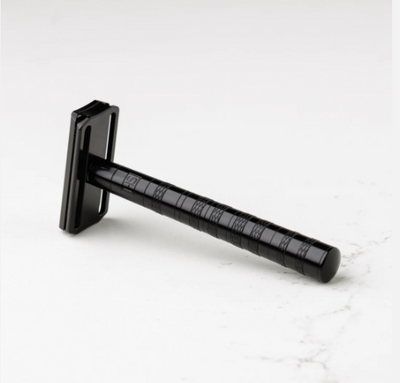
New designs leaned into CNC tolerances and aerospace-grade materials. They promised consistent blade alignment that would survive daily use and occasional drops. On paper this sounds like overkill. In practice, a tight, repeatable clamp across the entire cutting edge transforms how a blade behaves. It reduces chatter, the microscopic vibration that causes a skittering feel, especially on coarse stubble. The head geometry can be tuned for specific outcomes: low exposure for mildness, a narrow span between cap and guard for a shallow angle and more safety, or the opposite for efficiency.
This is where Henson enters.
Henson Shaving and the space-age pitch
Henson Shaving came from outside grooming. The company’s roots in aerospace machining permeate its razors: 6061-T6 aluminum or titanium bodies, tight tolerances, and, most distinctively, geometry that nearly forces a shallow, skin-safe angle. If you place a Henson’s cap on your face and move the handle until the guard just kisses the skin, you are at the intended angle. For new users, that training-wheel effect reduces the learning curve that turns many away from safety razors.
The Henson razor uses standard double edge razor blades, which means you can choose from dozens of brands and coatings. The head clamps the blade near its edge rather than a centimeter back, so you get a rigid, stable cutting edge with minimal chatter. Many users report the same first impression I had: weight aside, the shave feels like the blade is riding on rails. With the mild model, it is almost hard to cut yourself unless you try to shave too quickly or push the angle deep into the guard. The medium model adds bite for dense beards. The aggressive version exists for those who want maximum efficiency and have the technique to match.
If you shave every day and have average growth, the mild is often enough. If you shave every two to three days, the medium clears bulk without demanding multiple touch-up passes. For thick growth beyond three days, I either pre-trim or do a WTG pass with a more open razor, then let the Henson polish. The quality of your lather matters as much as the model. Henson’s head is tight and precise, so it rewards a thin, well-hydrated film rather than a meringue-like cushion.
Comparing archetypes: straight, safety, and Henson
The straight razor remains the most customizable tool in skilled hands, but it asks for time. A Shavette provides the straight-razor shape with the simplicity of replaceable razor blades, at the cost of a slightly less forgiving feel. Classic safety razors like the Merkur 34C occupy the middle, pairing very accessible geometry with a forgiving clamp and enough weight to let gravity do the work. The 34C’s knurling is friendly in wet conditions, a small detail that becomes big when your hands are slick with shaving soap.
Henson’s pitch is different. It enforces a shallow edge angle, which reduces the risk of digging into skin. It also shortens the learning curve without eliminating the craft of shaving. I can hand a Henson to someone who has only used an edge razor cartridge and, after a quick briefing, they get a clean, low-irritation shave. The first few shaves still require attention to grain direction and lather slickness, but the fence posts are placed for you.
A cartridge can still outpace all of them when you shave on a moving train or in a hotel bathroom with a paper cup of water and a bar of soap. But if you want durable gear, low ongoing cost, and fewer ingrowns, a single blade razor with thoughtful geometry wins more days than it loses.
Materials, balance, and the small things that matter
Steel, brass, aluminum, titanium, even zinc-alloy castings, each material gives a razor a different personality. Steel and brass carry momentum, which can be useful on thick growth. Aluminum is nimble, with less inertia, which encourages a lighter touch. Titanium lives between them with a springy feel. Henson’s aluminum models are featherlight, which surprised me at first. The first pass demanded attention, because decades of heavier razors had taught my hand to ride pressure, not angle. After a week, the lightness became a feature. I could treat the razor like a precision instrument, moving it quickly without fear of plowing.
Handle length and balance point also show up in daily use. The Merkur 34C’s shorter handle rewards fingertip control near the head. A longer handle can help if you prefer to choke down for reach, especially when shaving legs or the back of the head. Knurling pattern matters in a steamy bathroom. Deep, aggressive knurling grips better than polished art pieces. I have dropped exactly one razor in the shower. It had a gorgeous, slippery handle. It still looks gorgeous, with a dent that reminds me why function leads.
Blades and the reality of variance
Double edge razor blades are cheap per piece and inconsistent across brands by design. Coatings, grinds, and steel hardness vary. A blade that thrills me in the Henson might feel harsh in the Merkur, and vice versa. That is not a flaw, it is the system working. Pairing matters. Start with a sampler that includes a few sharp options, a few smooth, and one middle-of-the-road classic. I keep a small notebook with quick notes after the first and third shaves: tugging, smoothness, afterfeel. After a month, patterns emerge.
Shelf life and storage rarely get discussed, but humidity and corrosion degrade blades. Keep them dry, avoid leaving them loaded in the bathroom for weeks, and change them before they dull into tugging. If you feel yourself pressing, that is often a dullness warning. For cost context, double edge razor blades typically run cents per shave. Cartridges can be dollars. Straight razor honing amortizes differently, front-loaded in stones and skill.
The quiet art of prep
A good shave begins before the blade touches skin. Hydration matters more than any brand label. Two to three minutes of warm water softens hair, which reduces cutting force. A shaving brush is more than nostalgia. It lifts hair and creates a hydrated, glossy film when you load it with quality shaving soap. I prefer soaps with tallow or slick vegan bases rich in glycerin. They allow a thin application that still protects. If your lather looks like dessert, add water. The goal is sheen and glide, not foam architecture.
I map the grain once every few months by growing out for a day and feeling the direction of roughness with fingertips. Cheeks, jaw, neck, and chin all present different grain flows. If you chase perfectly smooth skin everywhere, note that the neck often prefers a conservative across-grain second pass rather than an against-grain finish. Henson’s mild geometry especially rewards restraint on the neck, where shallow angles meet soft skin.
Why Henson resonates in Canada and beyond
Henson Shaving Canada built its reputation by shipping consistent, anodized razors in friendly colors with aerospace credibility. The story appeals: parts machined with tight tolerances, coatings that resist corrosion, screws that feel precise. Many buyers are not hobbyists. They do not want a drawer full of vintage heads or an adjustable dial with nine settings. They want a safety razor that behaves predictably on Monday morning and again three years later. For travelers, the aluminum models pass through security in checked bags without denting your baggage allowance. The titanium upgrade, while costly, yields a lifetime tool for those who shave every day.
The broader value is not the marketing. It is the repeatability. If your razor’s geometry stays constant across colors and batches, you can share recommendations that mean something. A mild Henson with a mid-sharp blade and a simple tallow soap becomes a standard recipe you can pass to a friend who struggles with ingrowns. They might tweak the blade brand or the handle length, but the map holds true.
A sidebar for cigar people
Cigar accessories and shaving gear live on the same shelves more often than you might expect. If you enjoy the ritual of selecting a cutter, lighting with care, and savoring pace, you will likely enjoy loading a safety razor and building a proper lather. Both activities punish hurry. Both reward a small library of tools that feel good in the hand. I have lent a Merkur 34C to a friend who keeps his humidor immaculate and watched him switch within a week. He appreciated the rhythm and the control, and the fact that his cheeks stopped protesting when he returned to the office.

Practical guidance for choosing your path
- If you value ritual and ultimate control, a straight razor offers unmatched customization, at the cost of maintenance and a steeper learning curve. A Shavette reduces the upkeep with a slightly harsher feel. If you want a balanced entry, a safety razor like the Merkur 34C provides dependable geometry and pairs well with a wide range of safety razor blades. If you want modern precision and a gentle learning curve, a Henson razor in mild or medium gives a close, low-irritation shave with minimal fuss. If you prioritize speed above all, a disposable razor or cartridge gets you out the door, though keep an eye on irritation and cost over time. For any path, invest in a decent shaving brush and reliable shaving soap, and spend time on prep. Technique beats gear when everything else is equal.
Technique details that survive brand wars
Pressure is the first culprit in bad shaves. Let the blade do the cutting. Use only enough contact to maintain the guard on the skin. Angle is the second. With safety razors, start with the cap against the face and rotate until the edge engages. With Henson, set the cap and guard to touch lightly at once, and maintain that shallow plane. Short strokes clear lather so the edge meets hair rather than foam. Rinse the edge more than you think you need. Against the grain is an option, not a requirement. If your skin punishes you on the neck, stop one step earlier. A clean across-grain finish often looks and feels better an hour later.
Alum blocks, witch hazel, and bland, alcohol-free aftershaves help assess technique. Alum will sting most where you over-pressed or overshone. Witch hazel soothes without fragrance. If you like scent, add it after a neutral base layer. Post-shave balms work for dry climates, while light splashes suit humid summers.
What longevity looks like
A straight razor can last generations with care. A brass or stainless safety razor can as well, and many do. A cast zinc razor may not survive a decade if the plating fails, though plenty have. Henson’s aluminum razors are not indestructible, but they hold up well. The threads are smooth, the anodization resists normal bathroom wear, and the head tolerances keep blades aligned even after hundreds of changes. The economics favor single blade systems. Over a year, double edge razor blades cost less than coffee shop pastries. Disposables and cartridges can outstrip the price of the razor that holds them.
Environmental impact is not nothing. One thin steel blade in the recycling tin every week or two beats a fistful of plastic cartridges in most waste streams. If you are trying to reduce plastic, a safety razor or straight razor checks the box while improving your shave.

Edge cases and what to do about them
Very coarse, curly hair with sensitive skin can be a puzzle. In that case, a single pass with a mild safety razor, followed by a finish with a guarded Shavette or a precise second pass only where needed, often beats a full three-pass routine. People prone to ingrowns should avoid stretching the skin overly tight and should consider a salicylic acid product a few evenings a week. Those who shave the head may prefer a razor with more cap curvature for easier crown work. The Henson’s head profile is low and navigates well, but the light weight means you must remain honest about pressure. For travel to places where replacement blades are scarce, pack a sleeve of double edge razor blades in your checked bag. The blades weigh next to nothing and save you from gas station compromises.
If you keep a beard but clean your neck and cheeks, a single blade razor excels at crisp lines. A straight razor gives the absolute best edges. A Merkur 34C and similar safety razors come close with less drama. The Henson’s precise clamp makes edging steady if you work slowly and keep lather thin so you can see the boundary.
The craft endures
The tools changed from bare steel to guarded caps to pinned-cartridge towers and back toward refined single blade solutions. The fundamentals remain. Hydrate hair, present a sharp edge at a controlled angle, and use light, confident strokes. Whether you choose a straight razor for its meditative focus, a workhorse like the Merkur 34C, a travel-friendly disposable razor for chaotic weeks, or a modern Henson razor that brings aerospace discipline to bathroom routines, the best shave comes from matching the tool to your skin, your hair, and your habits.
I keep more than one option at arm’s length. The safety razors handle most mornings. The straight razor comes out on quiet weekends. The Henson lives on the counter for days when I want effortless precision. Each teaches a slightly different lesson. Together, they prove that progress in shaving has never been a single line forward. It is a circle that revisits old wisdom with better https://classicedge.ca/collections/c-49-shaving-soap-pre-post-shave tolerances and a lighter touch.